


The Hotel Lobby Sofa Procurement Guide
Procurement Guide · Hospitality Furniture
By Dugao Hospitality Furniture · 12 min read · Updated October 2026
A practical, field-tested playbook for hotel owners, interior designers and purchasing teams - how to specify lobby seating that survives round-the-clock use, meets fire and contract codes, and still feels like a five-star welcome.
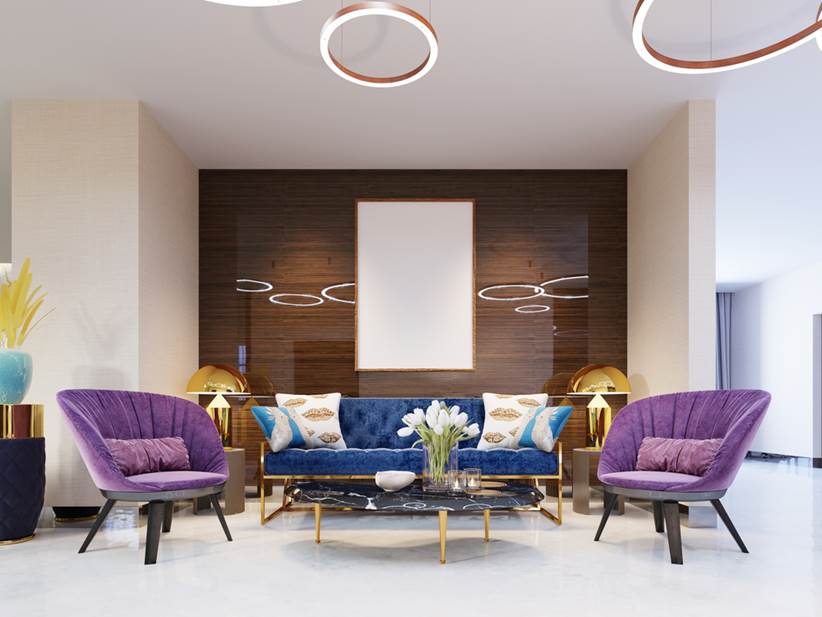
Figure 1. Contract-grade lobby seating is specified for years of daily use, not seasons.
01 Why the lobby sofa deserves its own strategy
The lobby is the first and last room every guest walks through - and the sofa is the piece they actually sit on.
A lobby sofa is not a residential sofa moved into a hotel. It takes a fundamentally different load: arrivals, departures, check-in queues, business meetings, family gatherings, guests with luggage, tired travelers who fall asleep on it. In a mid-to-large property it is sat on for tens of thousands of hours a year, cleaned daily, and occasionally abused.
Because it is one of the most-touched objects in the building, it is also one of the most visible signals of your quality. Loose stitching, sagging cushions and wobbly legs are read as "this hotel is cutting corners." A well-built sofa that keeps its shape reads as quiet confidence - which is exactly what a lobby is supposed to communicate.
24/7 - Lobby seating operates around the clock, far beyond the duty cycle of residential furniture.
30k+ - Double-rub abrasion rating typical for heavy-use contract upholstery fabric.
5–10 yr - Common warranty range for properly specified contract-grade lobby seating.
02 Spec for real use
Before you pick a fabric or a leg, map how the space is actually used. Every real lobby is several rooms in one.
Reception waiting - short dwell, high turnover, needs durable, easy-clean seating near the desk.
Lounge & social - longer dwell; groups, conversations, drinks. Comfort and flexibility matter most.
Quiet corners - solo guests, reading, calls. Deep, enveloping chairs and small sofas.
Bar & adjacent seating - spill risk, high cleaning frequency, water- and stain-resistant surfaces.
Work / laptop zones - ergonomic height, side tables, power access, firmer cushions.
Three numbers will shape every downstream decision:
Occupancy and traffic - how many seats, and how many people use them per day. Higher traffic pushes you up the abrasion, foam and frame specifications.
Dwell time - a check-in waiting bench and a lobby café sofa live very different lives.
Cleaning cycle - how often surfaces are wiped, vacuumed, spot-cleaned or steam-cleaned. Choose materials your housekeeping team can realistically maintain.
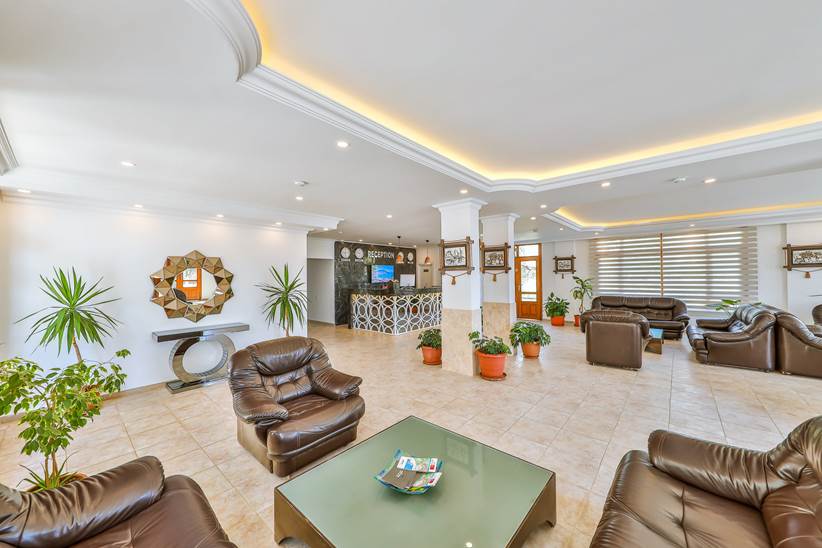
Figure 2. A reception zone mixes short-dwell waiting seats and longer social seating - each needs its own spec.
03 Contract grade, defined
"Contract grade" (or hospitality grade) is the difference between furniture designed for a living room and furniture designed for a business.
A contract-grade sofa is engineered for a higher, predictable duty cycle: kiln-dried hardwood frames with reinforced joinery, high-density high-resilience foam, abrasion-rated upholstery, and finishes that tolerate repeated cleaning. It is not simply "more expensive" - it is specified, built and tested to a different standard.
Three specifications carry the most weight, and are the easiest to verify on a data sheet:
Foam density & resilience - contract-grade cushions typically use higher-density, high-resilience (HR) foam so they recover their shape after hundreds of thousands of sits. Density is usually quoted in kg/m³; firmer, higher-ILD HR foams are used for the seat base.
Fabric abrasion - measured in double rubs (Martindale) or Wyzenbeek cycles. As a rule of thumb: 15,000–30,000 suits light contract; 30,000+ suits everyday commercial seating; 50,000+ suits the heaviest public areas.
Frame joinery & suspension - dowelled and glued corner blocks, screws and metal brackets at stress points, and suspension (zig-zag or serpentine springs, or premium 8-way hand-tied) rather than a thin webbing that sags.
Ask for the data sheet
Any serious manufacturer can hand you a specification sheet with frame species, foam density and ILD, fabric double-rub rating, and a warranty. If a supplier cannot - or quotes "high quality" without numbers - treat it as a red flag. Numbers are the language of contract furniture.
04 Materials that survive a lobby
Every material choice is a trade-off between beauty, durability, maintenance and budget. Here is how the major decisions actually break down.
Frames - start with the bones
The frame is what decides whether the sofa is "built for a decade" or "built for a season." Look for kiln-dried hardwood (dried to remove moisture so it will not warp, twist or crack in different climates) with reinforced corner blocks and proper joinery. Soft pine and particleboard are acceptable for low-end residential only - not for a public lobby.
|
Frame material |
Profile |
Best suited to |
|
Oak / Ash / Beech |
Stable, workable hardwoods; good screw-holding and steam-bending |
Reliable mid-to-high-spec contract frames |
|
Rubberwood |
Sustainable, dense, cost-effective |
Budget-conscious commercial seating |
|
Iroko |
Dense tropical hardwood, naturally moisture-resistant |
Humid climates and long-service European projects |
|
Jatobá |
Very hard and heavy; excellent structural strength |
Heavy-duty seating and exposed structural elements |
|
Softwood / MDF only |
Light and cheap; sags and breaks under contract loads |
Avoid for public areas |
Cushions & suspension - the feel
Comfort and longevity both live here. High-density, high-resilience (HR) foam recovers shape and holds guests up instead of letting them sink. For visible wear you can add a feather or memory-foam topper, but keep a firm, dense HR core underneath so the cushion does not collapse after a year of continuous use. On suspension, zig-zag or serpentine springs give better support than basic webbing, and hand-tied 8-way springs sit at the premium end.
Upholstery - the surface guests touch
|
Upholstery |
Strengths |
Watch-outs |
|
Contract woven fabric |
High double-rub ratings, stain treatment, easy to re-upholster |
Verify the Martindale rating; pick tight weaves |
|
Performance / stain-resistant fabric |
Bleach-cleanable, handles spills and high traffic |
Can feel technical; choose refined textures |
|
Full-grain / top-grain leather |
Develops a rich patina, premium feel, easy to wipe |
Higher cost; needs conditioning; genuine grain only |
|
PU / eco-leather |
Budget-friendly, uniform, easy to clean |
Check backing durability and abrasion; avoid in the heaviest zones |
|
Velvet / bouclé |
Trend-forward, soft, photogenic |
Lower durability; reserve for lower-traffic corners |
Legs, metal and finishes
The supporting cast matters more than it looks. Solid wood legs should be hardwood with protective finishes; metal legs should be powder-coated or finished stainless steel (for example brushed or satin #201/#304 stainless) so they resist scuffing, rust and corrosion from mopping and cleaning chemicals. Brass edging and trim add the luxury detail, but specify a lacquer or coating so it does not tarnish under constant touching.
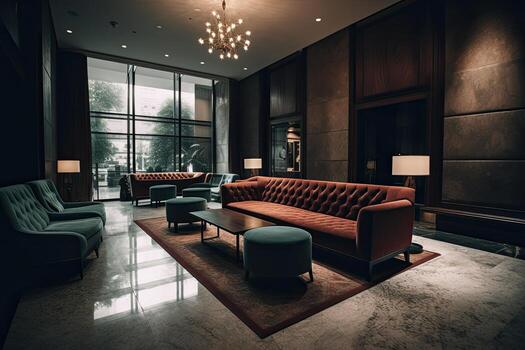
Figure 3. Leather and performance fabrics are the workhorses of hotel lounges - durable, wipeable and long-lived.
05 Fire safety & compliance - non-negotiable
Upholstered furniture in a public building is a fire-risk item, and the standards are not optional. Get the certificates, in writing, before you commit.
Which standard applies depends on where the hotel is and where the furniture will be used. Chain brand standards, local authorities and your insurer may also impose their own requirement - often the strictest one in the list. The table below covers the standards you will most often see quoted.
|
Standard |
Region |
What it tests |
Typical role in hospitality |
|
CAL TB 117-2013 |
USA (California) |
Cigarette smolder ignition of upholstery |
Common baseline for US commercial seating |
|
BS 5852 |
UK |
Ignition from cigarette and match / wooden crib on the seat composite |
Crib 5 (highest crib) is required for higher-risk public areas |
|
BS 7176 |
UK |
Contract seating, incl. a water-soak test; specifies hazard levels |
Mandatory benchmark for most UK hospitality environments |
|
EN 1021-1 / -2 |
EU |
Cigarette (part 1) and match-flame (part 2) ignition |
Required for upholstered commercial furniture across the EU |
|
NFPA 260 / UFAC |
USA |
Cigarette smolder classification |
Voluntary guideline; often referenced by US chain brands |
What to request from your supplier
Ask for a dated test certificate naming the specific standard, the product model, and the test laboratory - not a generic "FR compliant" claim. Confirm the certificate covers the fabric, foam and assembled product. If the project is outside the manufacturer's home market, ask them to confirm the target market's code up front.
06 Comfort that reads as luxury
Luxury comfort is not a vague feeling - it is geometry. Get the proportions right and the sofa feels expensive; get them wrong and even premium fabric feels cheap.
Seat height - around 430–470 mm (17–18.5 in). Too high feels like a bench; too low is hard for older guests to rise from.
Seat depth - roughly 560–610 mm (22–24 in) for a supported sit. Deeper lounges are for the bar or relaxed corners, not the check-in zone.
Back angle - a comfortable recline of about 100–110° without tipping the center of gravity.
Arm height & support - arms that help guests push off to stand, at a height that supports the elbow naturally.
Accessibility - in public lobbies, mix in a couple of firm, higher seats with arms for elderly guests and easy stand-up.
Ask your manufacturer for the ergonomic dimensions and a comfort sample before mass production. A 20-minute sit test on a real sample catches more problems than any specification sheet.
07 Modularity, zoning & layout
A lobby is not one room - it is a set of zones that change throughout the day. Modular and curved pieces let one furniture system serve all of them.
Curved and semi-circular sofas create natural gathering points and guide circulation, softening the flow of a busy lobby.
Corner and chaise units fill awkward angles and turn dead space into usable seating.
Mix sofas, armchairs and ottomans at varied heights and depths so solo guests and groups both feel accommodated.
Respect circulation and fire egress - keep clear walking paths and emergency routes; confirm local clearance requirements with the architect.
Modular systems are also a procurement advantage: standard modules can be recombined for different floor plans and reordered later as replacements, which keeps spares simple and predictable.
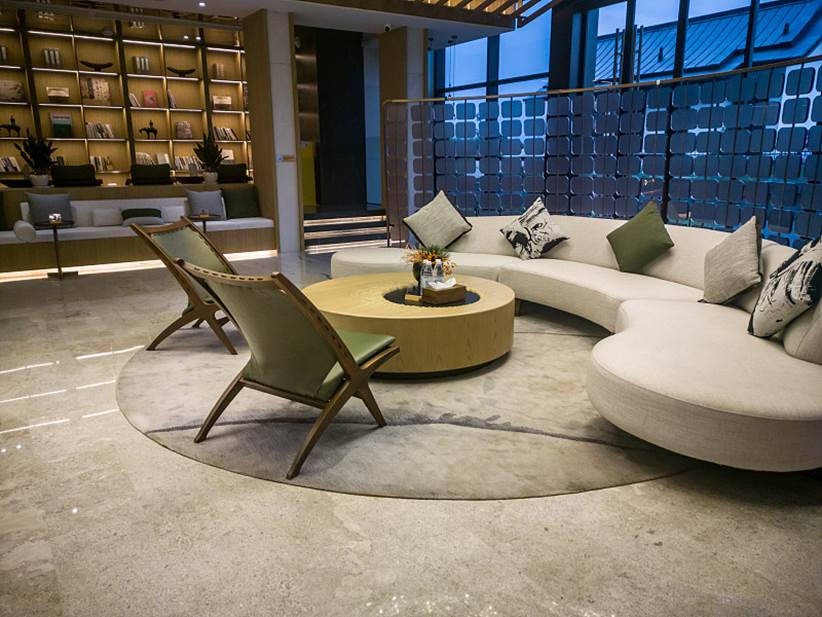
Figure 4. Curved sofas turn a passing corridor into an inviting gathering zone.
08 Customization, MOQ & lead time
Most hotel lobby sofas are made to order. Understanding customization options, minimum quantities and realistic lead times keeps the project on schedule.
What can be customized - dimensions, fabric and leather, wood species and finish color, metal / stainless finish, brass trim, cushion firmness, and even embroidered or monogrammed branding.
Minimum order quantities (MOQ) - for a custom manufacturing run, MOQs commonly range from around 5 to 50 units, depending on the complexity and the factory. Standard pieces from a catalog may have no MOQ at all.
Lead times - allow roughly 20 to 60 days from approval of samples and colors to completion, before shipping. Custom materials, larger quantities and peak-season bookings push toward the longer end.
Sample & prototype discipline - approve a physical sample (or at minimum an approved sample swatch set) covering frame, foam feel and upholstery before committing to the full order.
Get the timeline, the MOQ and the "what happens if we need a color change" policy in writing. A professional manufacturer will flag the long-lead items (rare woods, special leathers, custom metal finishing) at quotation stage, not after you have approved.
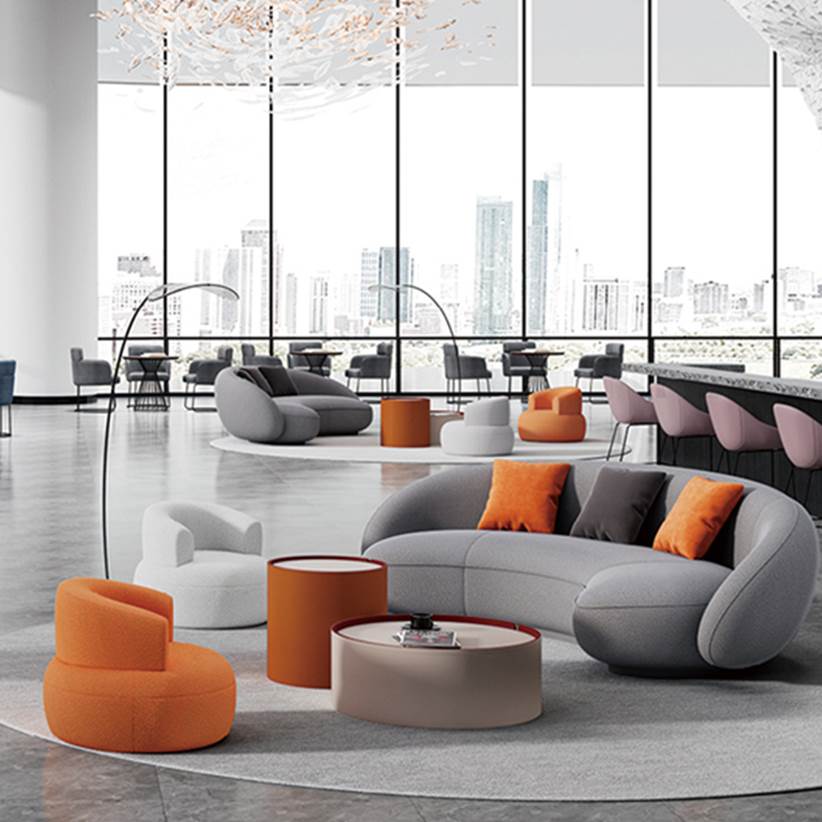
Figure 5. Made-to-order projects are specified around real floor plans, brands and budgets.
09 Budget & total cost of ownership
The cheapest quote is rarely the cheapest sofa. Judge the decision on total cost of ownership across the furniture's life - not the invoice on day one.
Replacement frequency - a low-cost residential-grade sofa in a high-traffic lobby may need replacing in 2–3 years; a properly specified contract sofa can serve 5–10. Divide price by expected years to compare honestly.
Re-upholstery and spares - a durable frame that can be re-upholstered, and available cushion or leg spares, extend life and cut long-term cost.
Logistics & terms - compare FOB, CIF, DDP and incoterms carefully; overseas projects differ hugely in who carries freight, insurance and duties. Factor in protective export crating and palletization.
Warranty & after-sales - a clear warranty and a manufacturer who stocks spare parts are worth real money over a decade of operation.
The professional approach: build a shortlist of suppliers, compare total lifecycle cost and specification side by side, and let the numbers (not just the sticker price) decide.
10 Choosing a manufacturer
The right partner turns a furniture order into a dependable project. These are the checks that separate real contract manufacturers from generalists.
Contract-grade portfolio - ask for hotels and public spaces they have furnished, not just living-room sofas. References matter.
Material sourcing - can they name the wood species, foam density and fabric they will use, and document it? A specialist can.
Test certificates - real, dated fire and performance certificates for the target market (see chapter 05).
Sample quality - insist on a physical sample. Judge joinery, foam rebound, stitching and finish as if you were a guest.
Export experience - for international projects, a manufacturer who regularly ships overseas (Europe, Russia, the Middle East, the Americas) knows crating, incoterms, documentation and compliance.
After-sales & spares - will they supply replacement cushions, legs or fabric yardage later? How fast?
At Dugao Hospitality Furniture, we build contract-grade lobby, lounge and public-area seating to exactly these standards - solid hardwood frames, high-resilience contract foam, certified fire compliance for your target market, and made-to-order customization with honest lead times. If you are planning a lobby refresh, our team will walk the specifications with you.
11 The final procurement checklist
Work through this before you sign a purchase order. Tick each item off as you confirm it.
☐ Mapped the lobby zones (reception, lounge, quiet, bar, work) and their traffic and dwell time.
☐ Confirmed the contract-grade specification: kiln-dried hardwood frame, HR foam, reinforced joinery.
☐ Selected upholstery with a documented abrasion rating (30,000+ double rubs for heavy zones).
☐ Requested dated fire-safety certificates matching the target market (CAL 117 / BS 5852 / BS 7176 / EN 1021).
☐ Reviewed ergonomics: seat height, depth, back angle and accessibility for all guests.
☐ Checked circulation and fire egress clearances with the layout.
☐ Approved a physical sample (or sample swatch set) covering frame, foam and upholstery.
☐ Confirmed custom dimensions, finishes and branding in writing.
☐ Agreed MOQ, lead time and schedule, including long-lead materials.
☐ Compared total cost of ownership (price ÷ expected life) and logistics terms across suppliers.
☐ Reviewed warranty, spare parts and after-sales commitments.
☐ Scheduled pre-shipment inspection or QC checklist for frame, stitching and packaging.
12 Frequently asked questions
What is the difference between residential and contract-grade sofas?
Contract-grade furniture is engineered and tested for continuous public use: kiln-dried hardwood frames with reinforced joinery, higher-density high-resilience foam, abrasion-rated upholstery and more durable finishes. It costs more up front but is designed to last 5–10 years under hotel traffic instead of sagging in 2–3.
Leather or fabric - which is better for a lobby?
Neither is universally better. Genuine top-grain leather looks premium, wipes clean easily and ages gracefully, at a higher cost and with some conditioning. High-performing contract fabrics offer higher abrasion ratings, more color options and are simpler to re-upholster. Many lobbies blend both: leather on high-traffic reception seating, quality fabric on lounge pieces.
Which fire standard do I need?
It depends on where the hotel is located and its brand or insurer requirements. Common benchmarks are CAL TB 117-2013 and NFPA 260 (USA), BS 5852 and BS 7176 (UK), and EN 1021-1/-2 (EU). For higher-risk public areas, the stricter standard in the list typically applies. Ask your supplier for dated certificates naming the specific standard and product model.
How long does a made-to-order lobby sofa take?
For custom manufacturing, plan for roughly 20–60 days from approval of samples and colors to completion, before shipping. Longer lead times apply for rare materials, large quantities or busy seasons. Confirm the schedule, MOQ and long-lead items in writing at quotation stage.
Can you customize dimensions, finishes and branding?
Yes. Dimensions, fabric and leather, wood species and finish, metal / stainless finish, brass trim, cushion firmness and branding can all be customized to the project. Approve a physical sample or sample swatch set before full production to lock in the look and feel.
What is a typical MOQ?
For a custom run, MOQs commonly range from about 5 to 50 units depending on complexity and factory. Standard catalog pieces may have no minim
The Hotel Lobby Sofa Procurement Guide
Procurement Guide · Hospitality Furniture
By Dugao Hospitality Furniture · 12 min read · Updated October 2026
A practical, field-tested playbook for hotel owners, interior designers and purchasing teams - how to specify lobby seating that survives round-the-clock use, meets fire and contract codes, and still feels like a five-star welcome.
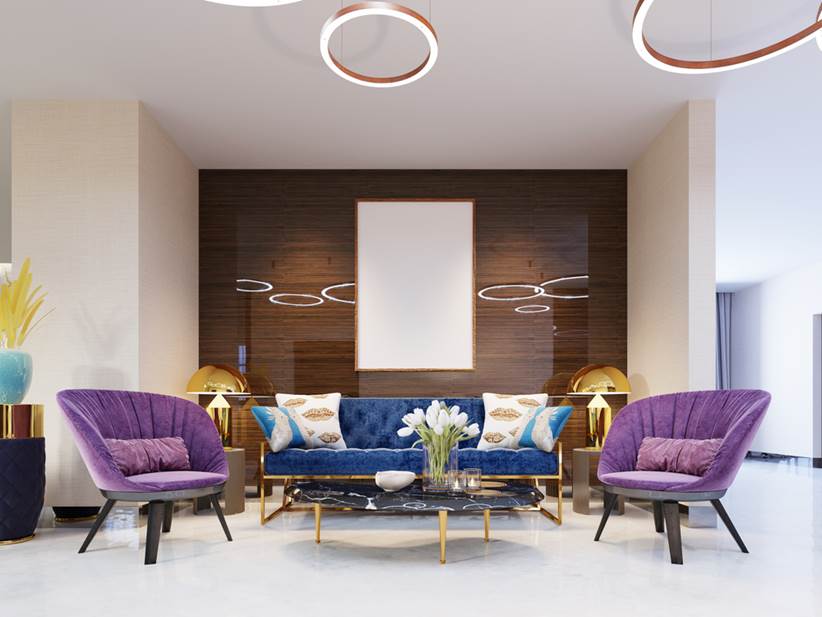
Figure 1. Contract-grade lobby seating is specified for years of daily use, not seasons.
01 Why the lobby sofa deserves its own strategy
The lobby is the first and last room every guest walks through - and the sofa is the piece they actually sit on.
A lobby sofa is not a residential sofa moved into a hotel. It takes a fundamentally different load: arrivals, departures, check-in queues, business meetings, family gatherings, guests with luggage, tired travelers who fall asleep on it. In a mid-to-large property it is sat on for tens of thousands of hours a year, cleaned daily, and occasionally abused.
Because it is one of the most-touched objects in the building, it is also one of the most visible signals of your quality. Loose stitching, sagging cushions and wobbly legs are read as "this hotel is cutting corners." A well-built sofa that keeps its shape reads as quiet confidence - which is exactly what a lobby is supposed to communicate.
24/7 - Lobby seating operates around the clock, far beyond the duty cycle of residential furniture.
30k+ - Double-rub abrasion rating typical for heavy-use contract upholstery fabric.
5–10 yr - Common warranty range for properly specified contract-grade lobby seating.
02 Spec for real use
Before you pick a fabric or a leg, map how the space is actually used. Every real lobby is several rooms in one.
Reception waiting - short dwell, high turnover, needs durable, easy-clean seating near the desk.
Lounge & social - longer dwell; groups, conversations, drinks. Comfort and flexibility matter most.
Quiet corners - solo guests, reading, calls. Deep, enveloping chairs and small sofas.
Bar & adjacent seating - spill risk, high cleaning frequency, water- and stain-resistant surfaces.
Work / laptop zones - ergonomic height, side tables, power access, firmer cushions.
Three numbers will shape every downstream decision:
Occupancy and traffic - how many seats, and how many people use them per day. Higher traffic pushes you up the abrasion, foam and frame specifications.
Dwell time - a check-in waiting bench and a lobby café sofa live very different lives.
Cleaning cycle - how often surfaces are wiped, vacuumed, spot-cleaned or steam-cleaned. Choose materials your housekeeping team can realistically maintain.
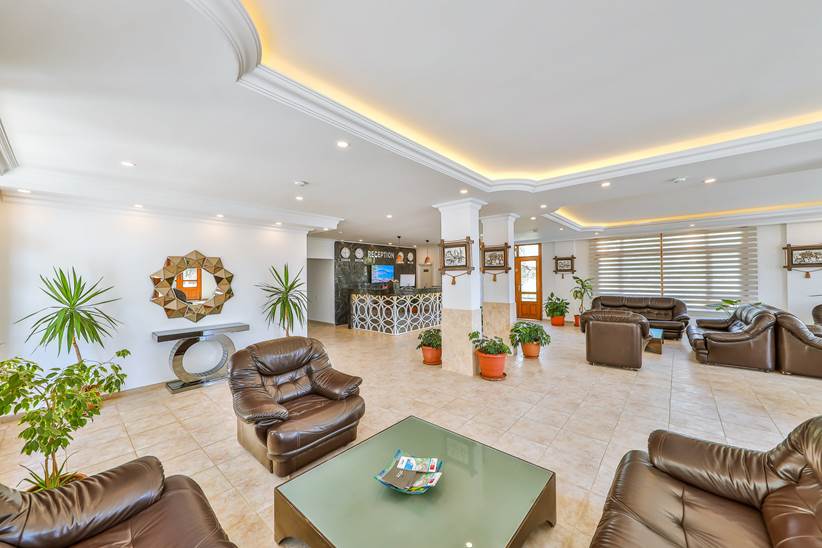
Figure 2. A reception zone mixes short-dwell waiting seats and longer social seating - each needs its own spec.
03 Contract grade, defined
"Contract grade" (or hospitality grade) is the difference between furniture designed for a living room and furniture designed for a business.
A contract-grade sofa is engineered for a higher, predictable duty cycle: kiln-dried hardwood frames with reinforced joinery, high-density high-resilience foam, abrasion-rated upholstery, and finishes that tolerate repeated cleaning. It is not simply "more expensive" - it is specified, built and tested to a different standard.
Three specifications carry the most weight, and are the easiest to verify on a data sheet:
Foam density & resilience - contract-grade cushions typically use higher-density, high-resilience (HR) foam so they recover their shape after hundreds of thousands of sits. Density is usually quoted in kg/m³; firmer, higher-ILD HR foams are used for the seat base.
Fabric abrasion - measured in double rubs (Martindale) or Wyzenbeek cycles. As a rule of thumb: 15,000–30,000 suits light contract; 30,000+ suits everyday commercial seating; 50,000+ suits the heaviest public areas.
Frame joinery & suspension - dowelled and glued corner blocks, screws and metal brackets at stress points, and suspension (zig-zag or serpentine springs, or premium 8-way hand-tied) rather than a thin webbing that sags.
Ask for the data sheet
Any serious manufacturer can hand you a specification sheet with frame species, foam density and ILD, fabric double-rub rating, and a warranty. If a supplier cannot - or quotes "high quality" without numbers - treat it as a red flag. Numbers are the language of contract furniture.
04 Materials that survive a lobby
Every material choice is a trade-off between beauty, durability, maintenance and budget. Here is how the major decisions actually break down.
Frames - start with the bones
The frame is what decides whether the sofa is "built for a decade" or "built for a season." Look for kiln-dried hardwood (dried to remove moisture so it will not warp, twist or crack in different climates) with reinforced corner blocks and proper joinery. Soft pine and particleboard are acceptable for low-end residential only - not for a public lobby.
|
Frame material |
Profile |
Best suited to |
|
Oak / Ash / Beech |
Stable, workable hardwoods; good screw-holding and steam-bending |
Reliable mid-to-high-spec contract frames |
|
Rubberwood |
Sustainable, dense, cost-effective |
Budget-conscious commercial seating |
|
Iroko |
Dense tropical hardwood, naturally moisture-resistant |
Humid climates and long-service European projects |
|
Jatobá |
Very hard and heavy; excellent structural strength |
Heavy-duty seating and exposed structural elements |
|
Softwood / MDF only |
Light and cheap; sags and breaks under contract loads |
Avoid for public areas |
Cushions & suspension - the feel
Comfort and longevity both live here. High-density, high-resilience (HR) foam recovers shape and holds guests up instead of letting them sink. For visible wear you can add a feather or memory-foam topper, but keep a firm, dense HR core underneath so the cushion does not collapse after a year of continuous use. On suspension, zig-zag or serpentine springs give better support than basic webbing, and hand-tied 8-way springs sit at the premium end.
Upholstery - the surface guests touch
|
Upholstery |
Strengths |
Watch-outs |
|
Contract woven fabric |
High double-rub ratings, stain treatment, easy to re-upholster |
Verify the Martindale rating; pick tight weaves |
|
Performance / stain-resistant fabric |
Bleach-cleanable, handles spills and high traffic |
Can feel technical; choose refined textures |
|
Full-grain / top-grain leather |
Develops a rich patina, premium feel, easy to wipe |
Higher cost; needs conditioning; genuine grain only |
|
PU / eco-leather |
Budget-friendly, uniform, easy to clean |
Check backing durability and abrasion; avoid in the heaviest zones |
|
Velvet / bouclé |
Trend-forward, soft, photogenic |
Lower durability; reserve for lower-traffic corners |
Legs, metal and finishes
The supporting cast matters more than it looks. Solid wood legs should be hardwood with protective finishes; metal legs should be powder-coated or finished stainless steel (for example brushed or satin #201/#304 stainless) so they resist scuffing, rust and corrosion from mopping and cleaning chemicals. Brass edging and trim add the luxury detail, but specify a lacquer or coating so it does not tarnish under constant touching.
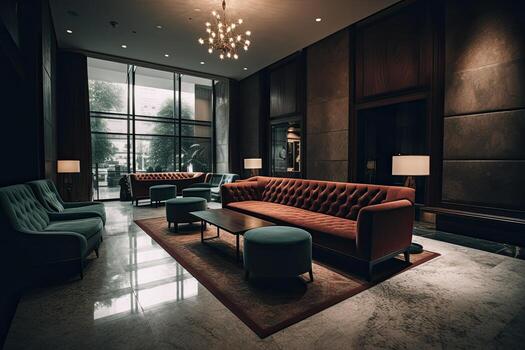
Figure 3. Leather and performance fabrics are the workhorses of hotel lounges - durable, wipeable and long-lived.
05 Fire safety & compliance - non-negotiable
Upholstered furniture in a public building is a fire-risk item, and the standards are not optional. Get the certificates, in writing, before you commit.
Which standard applies depends on where the hotel is and where the furniture will be used. Chain brand standards, local authorities and your insurer may also impose their own requirement - often the strictest one in the list. The table below covers the standards you will most often see quoted.
|
Standard |
Region |
What it tests |
Typical role in hospitality |
|
CAL TB 117-2013 |
USA (California) |
Cigarette smolder ignition of upholstery |
Common baseline for US commercial seating |
|
BS 5852 |
UK |
Ignition from cigarette and match / wooden crib on the seat composite |
Crib 5 (highest crib) is required for higher-risk public areas |
|
BS 7176 |
UK |
Contract seating, incl. a water-soak test; specifies hazard levels |
Mandatory benchmark for most UK hospitality environments |
|
EN 1021-1 / -2 |
EU |
Cigarette (part 1) and match-flame (part 2) ignition |
Required for upholstered commercial furniture across the EU |
|
NFPA 260 / UFAC |
USA |
Cigarette smolder classification |
Voluntary guideline; often referenced by US chain brands |
What to request from your supplier
Ask for a dated test certificate naming the specific standard, the product model, and the test laboratory - not a generic "FR compliant" claim. Confirm the certificate covers the fabric, foam and assembled product. If the project is outside the manufacturer's home market, ask them to confirm the target market's code up front.
06 Comfort that reads as luxury
Luxury comfort is not a vague feeling - it is geometry. Get the proportions right and the sofa feels expensive; get them wrong and even premium fabric feels cheap.
Seat height - around 430–470 mm (17–18.5 in). Too high feels like a bench; too low is hard for older guests to rise from.
Seat depth - roughly 560–610 mm (22–24 in) for a supported sit. Deeper lounges are for the bar or relaxed corners, not the check-in zone.
Back angle - a comfortable recline of about 100–110° without tipping the center of gravity.
Arm height & support - arms that help guests push off to stand, at a height that supports the elbow naturally.
Accessibility - in public lobbies, mix in a couple of firm, higher seats with arms for elderly guests and easy stand-up.
Ask your manufacturer for the ergonomic dimensions and a comfort sample before mass production. A 20-minute sit test on a real sample catches more problems than any specification sheet.
07 Modularity, zoning & layout
A lobby is not one room - it is a set of zones that change throughout the day. Modular and curved pieces let one furniture system serve all of them.
Curved and semi-circular sofas create natural gathering points and guide circulation, softening the flow of a busy lobby.
Corner and chaise units fill awkward angles and turn dead space into usable seating.
Mix sofas, armchairs and ottomans at varied heights and depths so solo guests and groups both feel accommodated.
Respect circulation and fire egress - keep clear walking paths and emergency routes; confirm local clearance requirements with the architect.
Modular systems are also a procurement advantage: standard modules can be recombined for different floor plans and reordered later as replacements, which keeps spares simple and predictable.
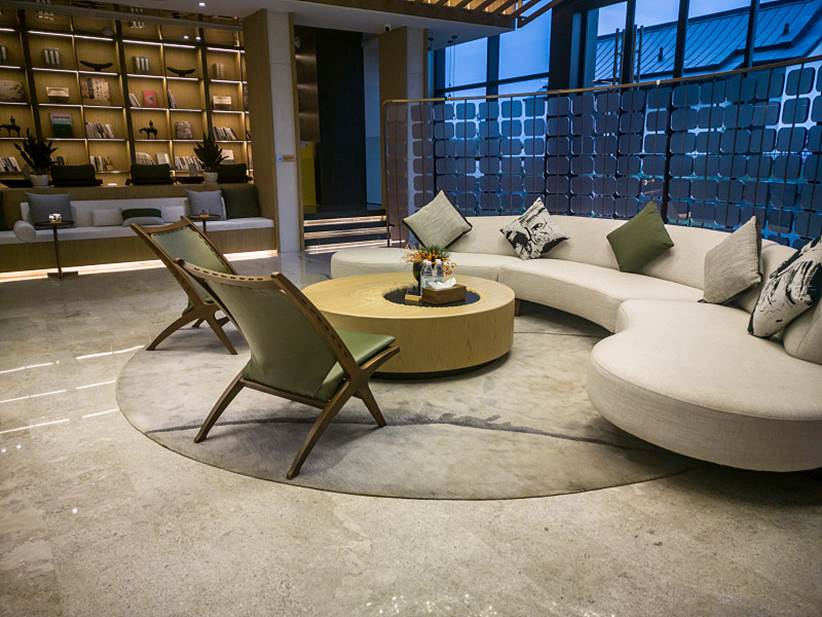
Figure 4. Curved sofas turn a passing corridor into an inviting gathering zone.
08 Customization, MOQ & lead time
Most hotel lobby sofas are made to order. Understanding customization options, minimum quantities and realistic lead times keeps the project on schedule.
What can be customized - dimensions, fabric and leather, wood species and finish color, metal / stainless finish, brass trim, cushion firmness, and even embroidered or monogrammed branding.
Minimum order quantities (MOQ) - for a custom manufacturing run, MOQs commonly range from around 5 to 50 units, depending on the complexity and the factory. Standard pieces from a catalog may have no MOQ at all.
Lead times - allow roughly 20 to 60 days from approval of samples and colors to completion, before shipping. Custom materials, larger quantities and peak-season bookings push toward the longer end.
Sample & prototype discipline - approve a physical sample (or at minimum an approved sample swatch set) covering frame, foam feel and upholstery before committing to the full order.
Get the timeline, the MOQ and the "what happens if we need a color change" policy in writing. A professional manufacturer will flag the long-lead items (rare woods, special leathers, custom metal finishing) at quotation stage, not after you have approved.
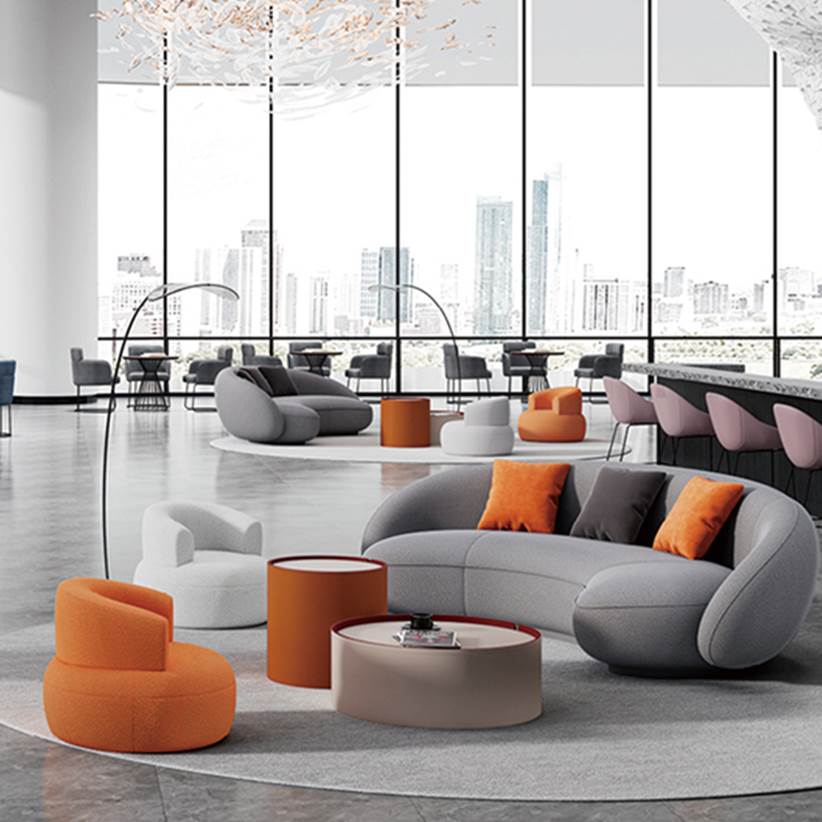
Figure 5. Made-to-order projects are specified around real floor plans, brands and budgets.
09 Budget & total cost of ownership
The cheapest quote is rarely the cheapest sofa. Judge the decision on total cost of ownership across the furniture's life - not the invoice on day one.
Replacement frequency - a low-cost residential-grade sofa in a high-traffic lobby may need replacing in 2–3 years; a properly specified contract sofa can serve 5–10. Divide price by expected years to compare honestly.
Re-upholstery and spares - a durable frame that can be re-upholstered, and available cushion or leg spares, extend life and cut long-term cost.
Logistics & terms - compare FOB, CIF, DDP and incoterms carefully; overseas projects differ hugely in who carries freight, insurance and duties. Factor in protective export crating and palletization.
Warranty & after-sales - a clear warranty and a manufacturer who stocks spare parts are worth real money over a decade of operation.
The professional approach: build a shortlist of suppliers, compare total lifecycle cost and specification side by side, and let the numbers (not just the sticker price) decide.
10 Choosing a manufacturer
The right partner turns a furniture order into a dependable project. These are the checks that separate real contract manufacturers from generalists.
Contract-grade portfolio - ask for hotels and public spaces they have furnished, not just living-room sofas. References matter.
Material sourcing - can they name the wood species, foam density and fabric they will use, and document it? A specialist can.
Test certificates - real, dated fire and performance certificates for the target market (see chapter 05).
Sample quality - insist on a physical sample. Judge joinery, foam rebound, stitching and finish as if you were a guest.
Export experience - for international projects, a manufacturer who regularly ships overseas (Europe, Russia, the Middle East, the Americas) knows crating, incoterms, documentation and compliance.
After-sales & spares - will they supply replacement cushions, legs or fabric yardage later? How fast?
At Dugao Hospitality Furniture, we build contract-grade lobby, lounge and public-area seating to exactly these standards - solid hardwood frames, high-resilience contract foam, certified fire compliance for your target market, and made-to-order customization with honest lead times. If you are planning a lobby refresh, our team will walk the specifications with you.
11 The final procurement checklist
Work through this before you sign a purchase order. Tick each item off as you confirm it.
☐ Mapped the lobby zones (reception, lounge, quiet, bar, work) and their traffic and dwell time.
☐ Confirmed the contract-grade specification: kiln-dried hardwood frame, HR foam, reinforced joinery.
☐ Selected upholstery with a documented abrasion rating (30,000+ double rubs for heavy zones).
☐ Requested dated fire-safety certificates matching the target market (CAL 117 / BS 5852 / BS 7176 / EN 1021).
☐ Reviewed ergonomics: seat height, depth, back angle and accessibility for all guests.
☐ Checked circulation and fire egress clearances with the layout.
☐ Approved a physical sample (or sample swatch set) covering frame, foam and upholstery.
☐ Confirmed custom dimensions, finishes and branding in writing.
☐ Agreed MOQ, lead time and schedule, including long-lead materials.
☐ Compared total cost of ownership (price ÷ expected life) and logistics terms across suppliers.
☐ Reviewed warranty, spare parts and after-sales commitments.
☐ Scheduled pre-shipment inspection or QC checklist for frame, stitching and packaging.
12 Frequently asked questions
What is the difference between residential and contract-grade sofas?
Contract-grade furniture is engineered and tested for continuous public use: kiln-dried hardwood frames with reinforced joinery, higher-density high-resilience foam, abrasion-rated upholstery and more durable finishes. It costs more up front but is designed to last 5–10 years under hotel traffic instead of sagging in 2–3.
Leather or fabric - which is better for a lobby?
Neither is universally better. Genuine top-grain leather looks premium, wipes clean easily and ages gracefully, at a higher cost and with some conditioning. High-performing contract fabrics offer higher abrasion ratings, more color options and are simpler to re-upholster. Many lobbies blend both: leather on high-traffic reception seating, quality fabric on lounge pieces.
Which fire standard do I need?
It depends on where the hotel is located and its brand or insurer requirements. Common benchmarks are CAL TB 117-2013 and NFPA 260 (USA), BS 5852 and BS 7176 (UK), and EN 1021-1/-2 (EU). For higher-risk public areas, the stricter standard in the list typically applies. Ask your supplier for dated certificates naming the specific standard and product model.
How long does a made-to-order lobby sofa take?
For custom manufacturing, plan for roughly 20–60 days from approval of samples and colors to completion, before shipping. Longer lead times apply for rare materials, large quantities or busy seasons. Confirm the schedule, MOQ and long-lead items in writing at quotation stage.
Can you customize dimensions, finishes and branding?
Yes. Dimensions, fabric and leather, wood species and finish, metal / stainless finish, brass trim, cushion firmness and branding can all be customized to the project. Approve a physical sample or sample swatch set before full production to lock in the look and feel.
What is a typical MOQ?
For a custom run, MOQs commonly range from about 5 to 50 units depending on complexity and factory. Standard catalog pieces may have no minimum at all. Ask the manufacturer directly - a good one will steer you to the option that fits your project size.
How do I compare quotes fairly across suppliers?
Compare specification side by side - frame species, foam density and ILD, fabric double-rub rating, fire certificates, warranty, and logistics terms (FOB / CIF / DDP). Divide price by expected service life for a true total-cost comparison rather than comparing sticker prices alone.
Planning a lobby refresh?
Tell us your floor plan, traffic and target market. We will help you specify contract-grade lobby seating that meets the codes, survives the traffic and fits the budget.
Website: www.gddugao.com | Contact: https://www.gddugao.com/contact
Dugao Hospitality Furniture - Contract-grade lobby, lounge and public-area seating, specified for durability, fire compliance and guest comfort, and made to order for hotels around the world.
© 2026 Dugao Hospitality Furniture · This guide is for professional procurement reference. Verify all standards, certificates and specifications with your supplier for your specific project and jurisdiction.
The Hotel Lobby Sofa Procurement Guide
Procurement Guide · Hospitality Furniture
By Dugao Hospitality Furniture · 12 min read · Updated October 2026
A practical, field-tested playbook for hotel owners, interior designers and purchasing teams - how to specify lobby seating that survives round-the-clock use, meets fire and contract codes, and still feels like a five-star welcome.
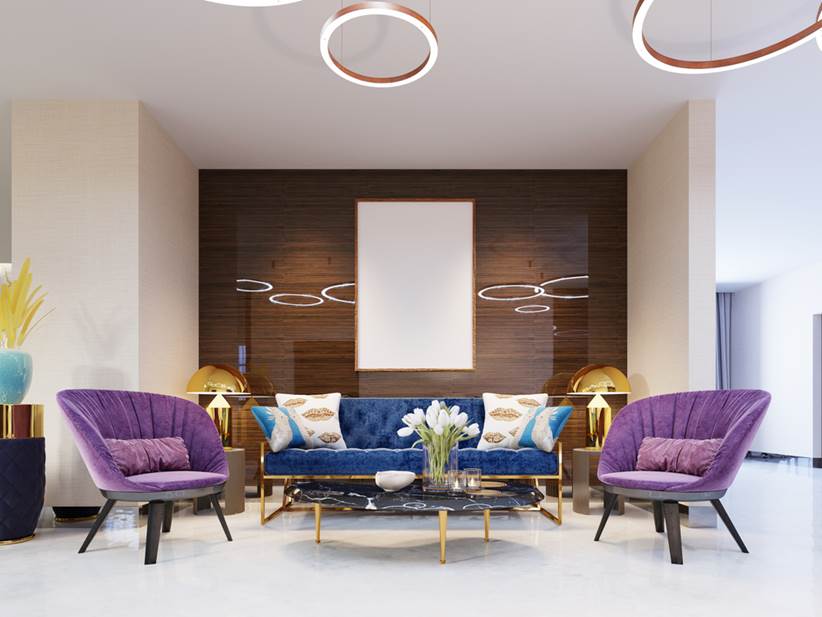
Figure 1. Contract-grade lobby seating is specified for years of daily use, not seasons.
01 Why the lobby sofa deserves its own strategy
The lobby is the first and last room every guest walks through - and the sofa is the piece they actually sit on.
A lobby sofa is not a residential sofa moved into a hotel. It takes a fundamentally different load: arrivals, departures, check-in queues, business meetings, family gatherings, guests with luggage, tired travelers who fall asleep on it. In a mid-to-large property it is sat on for tens of thousands of hours a year, cleaned daily, and occasionally abused.
Because it is one of the most-touched objects in the building, it is also one of the most visible signals of your quality. Loose stitching, sagging cushions and wobbly legs are read as "this hotel is cutting corners." A well-built sofa that keeps its shape reads as quiet confidence - which is exactly what a lobby is supposed to communicate.
24/7 - Lobby seating operates around the clock, far beyond the duty cycle of residential furniture.
30k+ - Double-rub abrasion rating typical for heavy-use contract upholstery fabric.
5–10 yr - Common warranty range for properly specified contract-grade lobby seating.
02 Spec for real use
Before you pick a fabric or a leg, map how the space is actually used. Every real lobby is several rooms in one.
Reception waiting - short dwell, high turnover, needs durable, easy-clean seating near the desk.
Lounge & social - longer dwell; groups, conversations, drinks. Comfort and flexibility matter most.
Quiet corners - solo guests, reading, calls. Deep, enveloping chairs and small sofas.
Bar & adjacent seating - spill risk, high cleaning frequency, water- and stain-resistant surfaces.
Work / laptop zones - ergonomic height, side tables, power access, firmer cushions.
Three numbers will shape every downstream decision:
Occupancy and traffic - how many seats, and how many people use them per day. Higher traffic pushes you up the abrasion, foam and frame specifications.
Dwell time - a check-in waiting bench and a lobby café sofa live very different lives.
Cleaning cycle - how often surfaces are wiped, vacuumed, spot-cleaned or steam-cleaned. Choose materials your housekeeping team can realistically maintain.
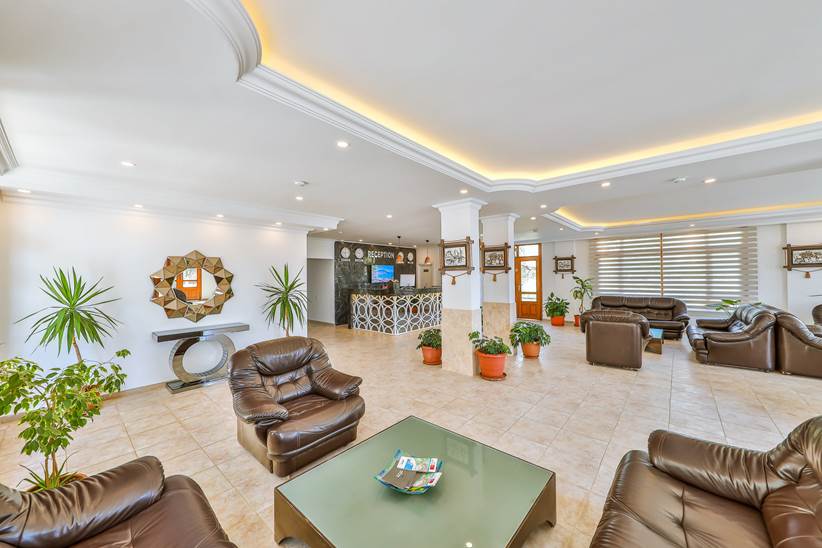
Figure 2. A reception zone mixes short-dwell waiting seats and longer social seating - each needs its own spec.
03 Contract grade, defined
"Contract grade" (or hospitality grade) is the difference between furniture designed for a living room and furniture designed for a business.
A contract-grade sofa is engineered for a higher, predictable duty cycle: kiln-dried hardwood frames with reinforced joinery, high-density high-resilience foam, abrasion-rated upholstery, and finishes that tolerate repeated cleaning. It is not simply "more expensive" - it is specified, built and tested to a different standard.
Three specifications carry the most weight, and are the easiest to verify on a data sheet:
Foam density & resilience - contract-grade cushions typically use higher-density, high-resilience (HR) foam so they recover their shape after hundreds of thousands of sits. Density is usually quoted in kg/m³; firmer, higher-ILD HR foams are used for the seat base.
Fabric abrasion - measured in double rubs (Martindale) or Wyzenbeek cycles. As a rule of thumb: 15,000–30,000 suits light contract; 30,000+ suits everyday commercial seating; 50,000+ suits the heaviest public areas.
Frame joinery & suspension - dowelled and glued corner blocks, screws and metal brackets at stress points, and suspension (zig-zag or serpentine springs, or premium 8-way hand-tied) rather than a thin webbing that sags.
Ask for the data sheet
Any serious manufacturer can hand you a specification sheet with frame species, foam density and ILD, fabric double-rub rating, and a warranty. If a supplier cannot - or quotes "high quality" without numbers - treat it as a red flag. Numbers are the language of contract furniture.
04 Materials that survive a lobby
Every material choice is a trade-off between beauty, durability, maintenance and budget. Here is how the major decisions actually break down.
Frames - start with the bones
The frame is what decides whether the sofa is "built for a decade" or "built for a season." Look for kiln-dried hardwood (dried to remove moisture so it will not warp, twist or crack in different climates) with reinforced corner blocks and proper joinery. Soft pine and particleboard are acceptable for low-end residential only - not for a public lobby.
|
Frame material |
Profile |
Best suited to |
|
Oak / Ash / Beech |
Stable, workable hardwoods; good screw-holding and steam-bending |
Reliable mid-to-high-spec contract frames |
|
Rubberwood |
Sustainable, dense, cost-effective |
Budget-conscious commercial seating |
|
Iroko |
Dense tropical hardwood, naturally moisture-resistant |
Humid climates and long-service European projects |
|
Jatobá |
Very hard and heavy; excellent structural strength |
Heavy-duty seating and exposed structural elements |
|
Softwood / MDF only |
Light and cheap; sags and breaks under contract loads |
Avoid for public areas |
Cushions & suspension - the feel
Comfort and longevity both live here. High-density, high-resilience (HR) foam recovers shape and holds guests up instead of letting them sink. For visible wear you can add a feather or memory-foam topper, but keep a firm, dense HR core underneath so the cushion does not collapse after a year of continuous use. On suspension, zig-zag or serpentine springs give better support than basic webbing, and hand-tied 8-way springs sit at the premium end.
Upholstery - the surface guests touch
|
Upholstery |
Strengths |
Watch-outs |
|
Contract woven fabric |
High double-rub ratings, stain treatment, easy to re-upholster |
Verify the Martindale rating; pick tight weaves |
|
Performance / stain-resistant fabric |
Bleach-cleanable, handles spills and high traffic |
Can feel technical; choose refined textures |
|
Full-grain / top-grain leather |
Develops a rich patina, premium feel, easy to wipe |
Higher cost; needs conditioning; genuine grain only |
|
PU / eco-leather |
Budget-friendly, uniform, easy to clean |
Check backing durability and abrasion; avoid in the heaviest zones |
|
Velvet / bouclé |
Trend-forward, soft, photogenic |
Lower durability; reserve for lower-traffic corners |
Legs, metal and finishes
The supporting cast matters more than it looks. Solid wood legs should be hardwood with protective finishes; metal legs should be powder-coated or finished stainless steel (for example brushed or satin #201/#304 stainless) so they resist scuffing, rust and corrosion from mopping and cleaning chemicals. Brass edging and trim add the luxury detail, but specify a lacquer or coating so it does not tarnish under constant touching.
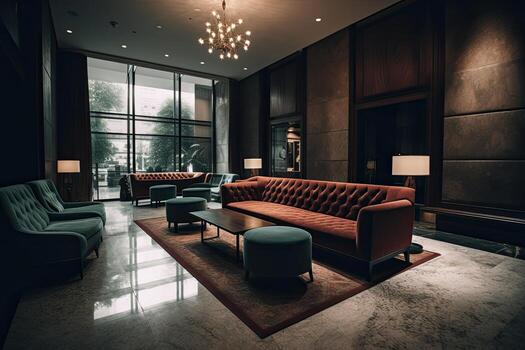
Figure 3. Leather and performance fabrics are the workhorses of hotel lounges - durable, wipeable and long-lived.
05 Fire safety & compliance - non-negotiable
Upholstered furniture in a public building is a fire-risk item, and the standards are not optional. Get the certificates, in writing, before you commit.
Which standard applies depends on where the hotel is and where the furniture will be used. Chain brand standards, local authorities and your insurer may also impose their own requirement - often the strictest one in the list. The table below covers the standards you will most often see quoted.
|
Standard |
Region |
What it tests |
Typical role in hospitality |
|
CAL TB 117-2013 |
USA (California) |
Cigarette smolder ignition of upholstery |
Common baseline for US commercial seating |
|
BS 5852 |
UK |
Ignition from cigarette and match / wooden crib on the seat composite |
Crib 5 (highest crib) is required for higher-risk public areas |
|
BS 7176 |
UK |
Contract seating, incl. a water-soak test; specifies hazard levels |
Mandatory benchmark for most UK hospitality environments |
|
EN 1021-1 / -2 |
EU |
Cigarette (part 1) and match-flame (part 2) ignition |
Required for upholstered commercial furniture across the EU |
|
NFPA 260 / UFAC |
USA |
Cigarette smolder classification |
Voluntary guideline; often referenced by US chain brands |
What to request from your supplier
Ask for a dated test certificate naming the specific standard, the product model, and the test laboratory - not a generic "FR compliant" claim. Confirm the certificate covers the fabric, foam and assembled product. If the project is outside the manufacturer's home market, ask them to confirm the target market's code up front.
06 Comfort that reads as luxury
Luxury comfort is not a vague feeling - it is geometry. Get the proportions right and the sofa feels expensive; get them wrong and even premium fabric feels cheap.
Seat height - around 430–470 mm (17–18.5 in). Too high feels like a bench; too low is hard for older guests to rise from.
Seat depth - roughly 560–610 mm (22–24 in) for a supported sit. Deeper lounges are for the bar or relaxed corners, not the check-in zone.
Back angle - a comfortable recline of about 100–110° without tipping the center of gravity.
Arm height & support - arms that help guests push off to stand, at a height that supports the elbow naturally.
Accessibility - in public lobbies, mix in a couple of firm, higher seats with arms for elderly guests and easy stand-up.
Ask your manufacturer for the ergonomic dimensions and a comfort sample before mass production. A 20-minute sit test on a real sample catches more problems than any specification sheet.
07 Modularity, zoning & layout
A lobby is not one room - it is a set of zones that change throughout the day. Modular and curved pieces let one furniture system serve all of them.
Curved and semi-circular sofas create natural gathering points and guide circulation, softening the flow of a busy lobby.
Corner and chaise units fill awkward angles and turn dead space into usable seating.
Mix sofas, armchairs and ottomans at varied heights and depths so solo guests and groups both feel accommodated.
Respect circulation and fire egress - keep clear walking paths and emergency routes; confirm local clearance requirements with the architect.
Modular systems are also a procurement advantage: standard modules can be recombined for different floor plans and reordered later as replacements, which keeps spares simple and predictable.
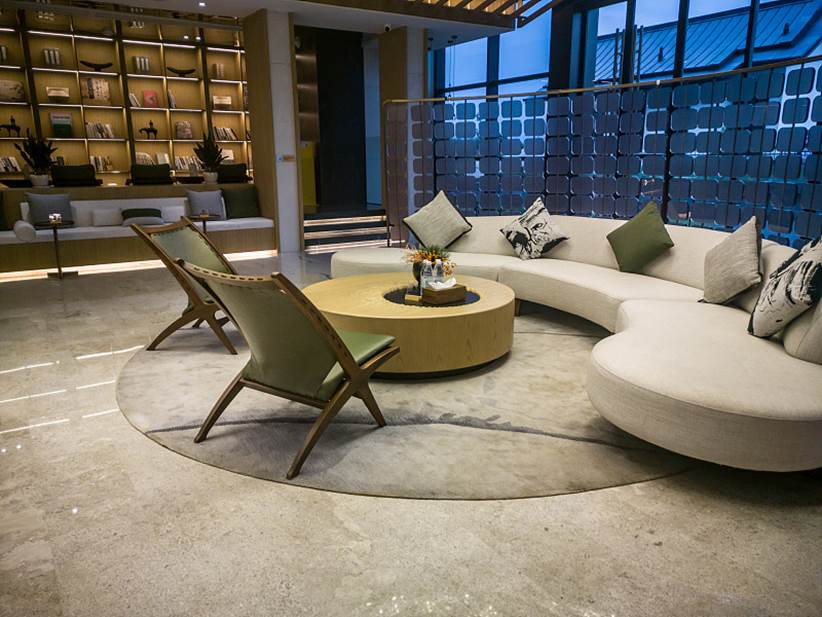
Figure 4. Curved sofas turn a passing corridor into an inviting gathering zone.
08 Customization, MOQ & lead time
Most hotel lobby sofas are made to order. Understanding customization options, minimum quantities and realistic lead times keeps the project on schedule.
What can be customized - dimensions, fabric and leather, wood species and finish color, metal / stainless finish, brass trim, cushion firmness, and even embroidered or monogrammed branding.
Minimum order quantities (MOQ) - for a custom manufacturing run, MOQs commonly range from around 5 to 50 units, depending on the complexity and the factory. Standard pieces from a catalog may have no MOQ at all.
Lead times - allow roughly 20 to 60 days from approval of samples and colors to completion, before shipping. Custom materials, larger quantities and peak-season bookings push toward the longer end.
Sample & prototype discipline - approve a physical sample (or at minimum an approved sample swatch set) covering frame, foam feel and upholstery before committing to the full order.
Get the timeline, the MOQ and the "what happens if we need a color change" policy in writing. A professional manufacturer will flag the long-lead items (rare woods, special leathers, custom metal finishing) at quotation stage, not after you have approved.
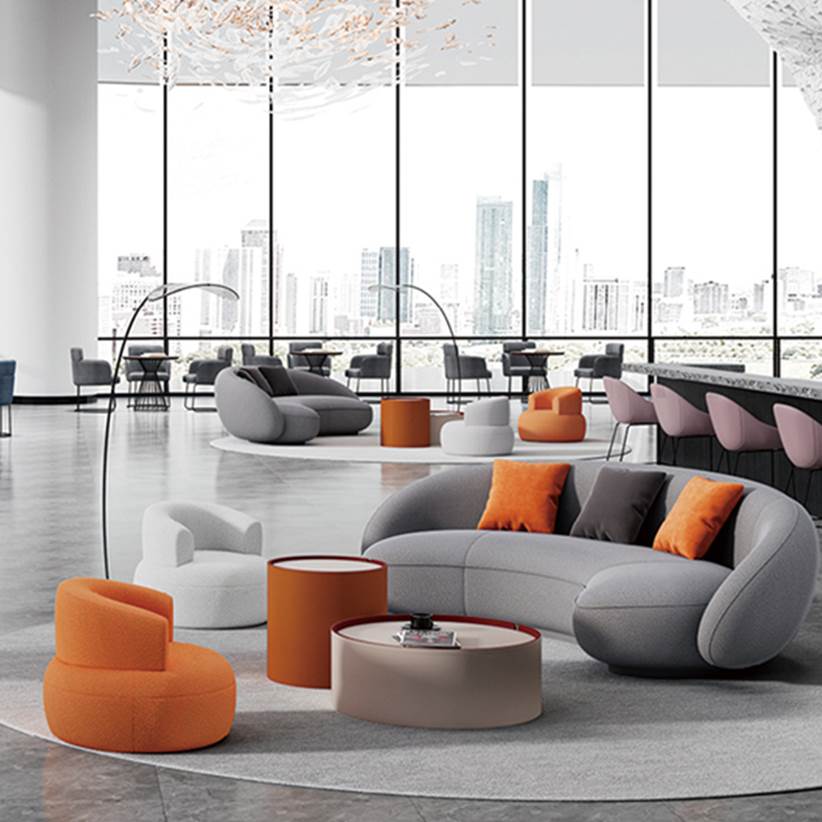
Figure 5. Made-to-order projects are specified around real floor plans, brands and budgets.
09 Budget & total cost of ownership
The cheapest quote is rarely the cheapest sofa. Judge the decision on total cost of ownership across the furniture's life - not the invoice on day one.
Replacement frequency - a low-cost residential-grade sofa in a high-traffic lobby may need replacing in 2–3 years; a properly specified contract sofa can serve 5–10. Divide price by expected years to compare honestly.
Re-upholstery and spares - a durable frame that can be re-upholstered, and available cushion or leg spares, extend life and cut long-term cost.
Logistics & terms - compare FOB, CIF, DDP and incoterms carefully; overseas projects differ hugely in who carries freight, insurance and duties. Factor in protective export crating and palletization.
Warranty & after-sales - a clear warranty and a manufacturer who stocks spare parts are worth real money over a decade of operation.
The professional approach: build a shortlist of suppliers, compare total lifecycle cost and specification side by side, and let the numbers (not just the sticker price) decide.
10 Choosing a manufacturer
The right partner turns a furniture order into a dependable project. These are the checks that separate real contract manufacturers from generalists.
Contract-grade portfolio - ask for hotels and public spaces they have furnished, not just living-room sofas. References matter.
Material sourcing - can they name the wood species, foam density and fabric they will use, and document it? A specialist can.
Test certificates - real, dated fire and performance certificates for the target market (see chapter 05).
Sample quality - insist on a physical sample. Judge joinery, foam rebound, stitching and finish as if you were a guest.
Export experience - for international projects, a manufacturer who regularly ships overseas (Europe, Russia, the Middle East, the Americas) knows crating, incoterms, documentation and compliance.
After-sales & spares - will they supply replacement cushions, legs or fabric yardage later? How fast?
At Dugao Hospitality Furniture, we build contract-grade lobby, lounge and public-area seating to exactly these standards - solid hardwood frames, high-resilience contract foam, certified fire compliance for your target market, and made-to-order customization with honest lead times. If you are planning a lobby refresh, our team will walk the specifications with you.
11 The final procurement checklist
Work through this before you sign a purchase order. Tick each item off as you confirm it.
☐ Mapped the lobby zones (reception, lounge, quiet, bar, work) and their traffic and dwell time.
☐ Confirmed the contract-grade specification: kiln-dried hardwood frame, HR foam, reinforced joinery.
☐ Selected upholstery with a documented abrasion rating (30,000+ double rubs for heavy zones).
☐ Requested dated fire-safety certificates matching the target market (CAL 117 / BS 5852 / BS 7176 / EN 1021).
☐ Reviewed ergonomics: seat height, depth, back angle and accessibility for all guests.
☐ Checked circulation and fire egress clearances with the layout.
☐ Approved a physical sample (or sample swatch set) covering frame, foam and upholstery.
☐ Confirmed custom dimensions, finishes and branding in writing.
☐ Agreed MOQ, lead time and schedule, including long-lead materials.
☐ Compared total cost of ownership (price ÷ expected life) and logistics terms across suppliers.
☐ Reviewed warranty, spare parts and after-sales commitments.
☐ Scheduled pre-shipment inspection or QC checklist for frame, stitching and packaging.
12 Frequently asked questions
What is the difference between residential and contract-grade sofas?
Contract-grade furniture is engineered and tested for continuous public use: kiln-dried hardwood frames with reinforced joinery, higher-density high-resilience foam, abrasion-rated upholstery and more durable finishes. It costs more up front but is designed to last 5–10 years under hotel traffic instead of sagging in 2–3.
Leather or fabric - which is better for a lobby?
Neither is universally better. Genuine top-grain leather looks premium, wipes clean easily and ages gracefully, at a higher cost and with some conditioning. High-performing contract fabrics offer higher abrasion ratings, more color options and are simpler to re-upholster. Many lobbies blend both: leather on high-traffic reception seating, quality fabric on lounge pieces.
Which fire standard do I need?
It depends on where the hotel is located and its brand or insurer requirements. Common benchmarks are CAL TB 117-2013 and NFPA 260 (USA), BS 5852 and BS 7176 (UK), and EN 1021-1/-2 (EU). For higher-risk public areas, the stricter standard in the list typically applies. Ask your supplier for dated certificates naming the specific standard and product model.
How long does a made-to-order lobby sofa take?
For custom manufacturing, plan for roughly 20–60 days from approval of samples and colors to completion, before shipping. Longer lead times apply for rare materials, large quantities or busy seasons. Confirm the schedule, MOQ and long-lead items in writing at quotation stage.
Can you customize dimensions, finishes and branding?
Yes. Dimensions, fabric and leather, wood species and finish, metal / stainless finish, brass trim, cushion firmness and branding can all be customized to the project. Approve a physical sample or sample swatch set before full production to lock in the look and feel.
What is a typical MOQ?
For a custom run, MOQs commonly range from about 5 to 50 units depending on complexity and factory. Standard catalog pieces may have no minimum at all. Ask the manufacturer directly - a good one will steer you to the option that fits your project size.
How do I compare quotes fairly across suppliers?
Compare specification side by side - frame species, foam density and ILD, fabric double-rub rating, fire certificates, warranty, and logistics terms (FOB / CIF / DDP). Divide price by expected service life for a true total-cost comparison rather than comparing sticker prices alone.
Planning a lobby refresh?
Tell us your floor plan, traffic and target market. We will help you specify contract-grade lobby seating that meets the codes, survives the traffic and fits the budget.
Website: www.gddugao.com | Contact: https://www.gddugao.com/contact
Dugao Hospitality Furniture - Contract-grade lobby, lounge and public-area seating, specified for durability, fire compliance and guest comfort, and made to order for hotels around the world.
© 2026 Dugao Hospitality Furniture · This guide is for professional procurement reference. Verify all standards, certificates and specifications with your supplier for your specific project and jurisdiction.
um at all. Ask the manufacturer directly - a good one will steer you to the option that fits your project size.
How do I compare quotes fairly across suppliers?
Compare specification side by side - frame species, foam density and ILD, fabric double-rub rating, fire certificates, warranty, and logistics terms (FOB / CIF / DDP). Divide price by expected service life for a true total-cost comparison rather than comparing sticker prices alone.
Planning a lobby refresh?
Tell us your floor plan, traffic and target market. We will help you specify contract-grade lobby seating that meets the codes, survives the traffic and fits the budget.
Website: www.gddugao.com | Contact: https://www.gddugao.com/contact
Dugao Hospitality Furniture - Contract-grade lobby, lounge and public-area seating, specified for durability, fire compliance and guest comfort, and made to order for hotels around the world.
© 2026 Dugao Hospitality Furniture · This guide is for professional procurement reference. Verify all standards, certificates and specifications with your supplier for your specific project and jurisdiction.


