

Middle Eastern hotel furniture is primarily divided into two mainstream styles: traditional Islamic retro designs and modern luxury fusion styles, covering Gulf countries such as Saudi Arabia, the UAE, Qatar, and Kuwait. These designs take into account four core constraints-religious regulations, desert climate, local living habits, and a luxurious positioning. Below is a detailed breakdown of their key characteristics by dimension:
Overall Style Positioning: Ultimate luxury, spacious scale, and powerful presence
1. The scale is too large.
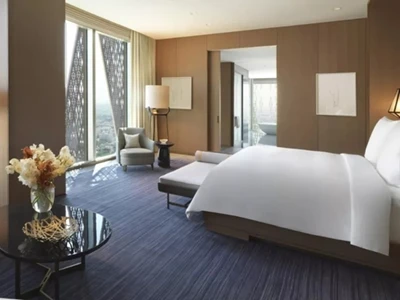
In local families, multiple members live together. The bed frames, wardrobes, dressing tables, and sofas in the guest rooms are all widened and raised. The wardrobes are made into 2.6-2.8m long one-piece cabinets reaching the ceiling, with longer hanging rods to accommodate the hanging of Arabian robes. The sofas and dining tables in the public areas are much larger than the conventional sizes in Europe and America. When multiple people have meals or receive guests, there is no feeling of being cramped.
2. Strong sense of ceremony, iconic large furniture in public areas
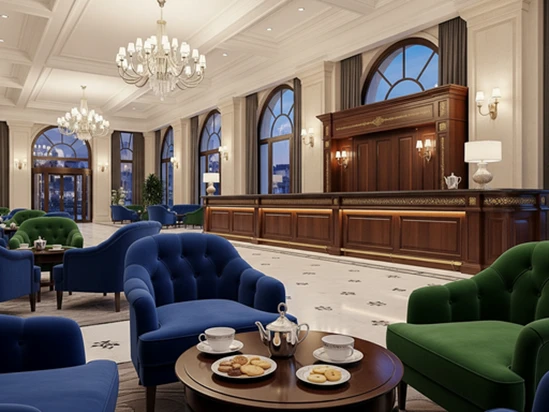
The lobby must feature a giant carved reception desk, an arc-shaped reception seating area, and a solid wooden bar counter. We reject simple small-scale standardized furniture; the furniture in the hotel public areas should prioritize visual impact, serving as the core of the spatial visual experience, and aligning with the high-end positioning of a five-star hotel.
3. Style Dichotomy
• Traditional Vacation / Medieval Castle Hotel: Pure Islamic carved and retro style;
• Newly-built business five-star hotels in Dubai and Qatar: Italian light luxury + Arabic pattern minimalist fusion style (currently the highest export volume).

Pattern carving: Compliant with religious norms, featuring geometric patterns (the core identifying feature)
1. Prohibited Elements (Hard Red Lines)
Islamic law prohibits figurative sculptures, animal carvings, and figurative idol decorations. The exterior of all furniture must not feature any figures or animal designs. Export shipments must strictly avoid such elements.
2. Mainstream Classic Patterns
1) Geometric Interwoven Pattern (Mashrabiya Wooden Grid Hollowed Out)
Repeatedly nested polygons, star shapes, and grid hollowed-out patterns are used on cabinet doors, screens, bedside soft packaging relief patterns, and metal borders. It is a characteristic symbol of Middle Eastern furniture; traditional styles have the entire cabinet door made into hollow wooden grids, while modern styles simplify it to metal inlay.
2) Arabian Vine and Scroll Pattern
Continuous looping curves of flowers and plants are engraved, with intricate lines. They are mostly used on table edges, cabinet door edges, and bedside borders with gilded and engraved decorations.
3) Calligraphy Patterns
A few high-end hotels embed Arabic blessing scriptures as decorative lines on the cabinet bodies, only used as embellishments and not extensively used.

Color scheme: Warm tones of earth + Light luxury contrast colors
1. Basic background color (desert color scheme)
Beige, light apricot, light sandy yellow, dark walnut brown, red-brown wood color. These tones replicate the desert landscape. The entire wooden furniture has a unified warm brown color scheme. There are very few cold whites and light grays in the minimalist color scheme.
2. High-end accent colors
• Metallic colors: Brass, gold plating, champagne gold for handles, table legs, and door frame edging. Gold is used extremely frequently, being a standard luxury element in Middle Eastern furniture;
• Soft upholstery colors: Dark green, navy blue, wine red, sapphire blue velvet fabric. Dark fabrics are resistant to frequent stains in hotels and also exude an air of nobility.
Material selection: Suitable for hot and arid climates + High luxury texture
1. Wood-based materials (preferably drought-resistant woods)
The main promoted materials are walnut, cedar, ashbark, and red oak. They have high density and strong stability. The Middle East is extremely dry throughout the year. The moisture content of the finished boards is strictly controlled at 6% - 8% to prevent door panels from cracking and wood veneers from shrinking and peeling off. We do not use low-density particle boards for large-scale applications.
2. Metal accessories (mainly in gold color)
Pull handles, cabinet feet, and decorative lines are all made of brass and electroplated gold stainless steel. There are very few matte silver chrome parts. In coastal cities, the hardware is upgraded to 316 stainless steel to resist temperature differences between day and night and sand and dust corrosion.
3. Hard requirements for soft material fabrics
1) UV resistance: Sofas on balcony and terrace in guest rooms must use sun-resistant super-fiber leather. They will not fade or crack even under intense sunlight;
2) Water and stain resistance: Guest chairs and lounge chairs should be prioritized with thickened PVC/super-fiber leather. After coffee and wine spills, they can be wiped clean, improving the efficiency of hotel cleaning;
3) High-weight velvet and jacquard fabrics are used for public areas in suites. Martindeau abrasion resistance is ≥ 40,000 revolutions.
4. Painting process
The main coating is thick and sealed PU paint, with a full and thick paint film; modern fusion styles can use low-VOC water-based paint. The paint surface can be made matte / semi-matte, and we reject the dazzling effect of high-gloss finish.
Structure and Function: Customized according to local living habits
1. Exclusive renovation of the guest room wardrobe
• Internal elongated hanger rods (≥1800mm), specifically for hanging robes;
• Zone design: robe area, headscarf and jewelry drawer, luggage compartment dedicated storage platform integrated;
• One-to-the-top suspended cabinet, with empty space at the bottom for sensor light strips, suitable for the storage habits of Arab guests.
2. Majlis (guest reception) seating set
Middle Eastern hotel characteristic furniture: continuous low-height fabric seating along the wall, surrounding a central low coffee table, no high-legged dining chairs, suitable for local sitting and gathering hospitality and dining customs, must be included in homestay and resort hotels.
3. Furniture structure reinforcement
Table and chair frames in public areas are thickened and fully welded for reinforcement, single-person chairs have a rated load capacity of ≥150kg; all cabinet corners are rounded and smoothed, high-end suites are equipped with movable modular furniture to facilitate the rearrangement of space.

Process details: Inlaying, gilding, multi-layer composite luxury craftsmanship
1. Engraved gold / Gold foil application
Hand-painted champagne gold and real gold foil on the carved grooves and edges of wooden lines, with a full sense of three-dimensional texture, this is the standard craftsmanship of the Bay Five-star Hotel;
2. Multi-material combination
Combination of wood veneer + golden aluminum frame + dark brown tempered glass for cabinet doors, marble countertop + wooden cabinet body + brass table legs, three pieces combined, very few single-material furniture;
3. Built-in lighting
Intricate lighting strips are embedded in wardrobes, TV cabinets, and bedside background cabinets. Hidden slots for lights enhance the luxurious atmosphere. Customized lighting cabinets are available for all newly-built hotels in Qatar and Dubai.

Modern improved version (mainstream for export shipments)
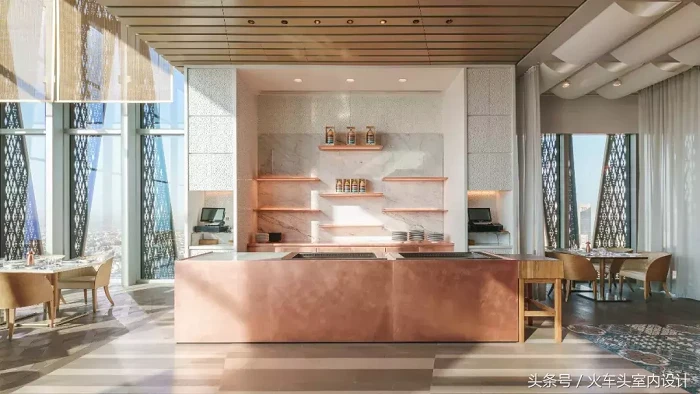
The traditional elaborate carvings have been simplified and compressed. Only two cultural symbols are retained: geometric lines and metal inlays, as well as golden borders. The overall framework is Italian minimalist style, with redundant relief sculptures removed while maintaining warm brown wood color and golden accessories. This design balances the utilization rate of modern guest rooms and regional identification. Container packaging and mass production have lower costs, and this style is currently the one that accounts for over 80% of China's furniture exports to the Middle East.
Key points for additional design of export accessories
1. Flame retardant compliance: Certified by Saudi SABER and UAE COC. The foam and fabric of the soft furniture are doubly flame retardant.
2. Marine protection: The carved and gilded parts are protected with individual pearl cotton corner guards. The full package includes waterproof PE film and sufficient desiccants to resist temperature differences during long-distance shipping and container condensation.
3. Wooden packaging must have IPPC fumigation stamping. Otherwise, the containers will be directly detained and destroyed at the destination port.


